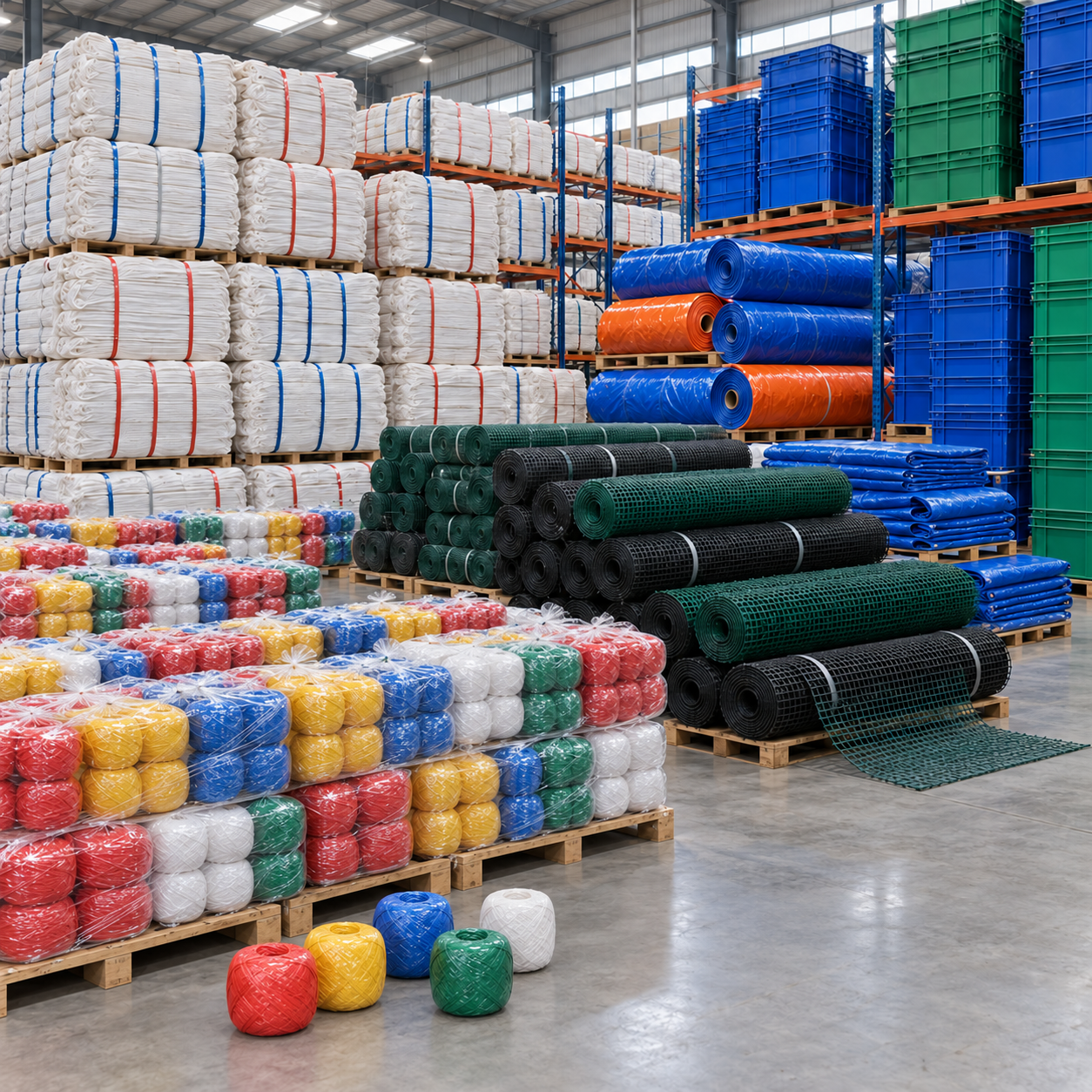
How to Reduce Industrial Packaging Costs with Recycled-PP Sacks Without Compromising Quality
PP plastic waste can retain value as a raw material when properly sorted and processed. DEXPLAST's newly manufactured recycled-material sacks use recycled woven PP material as a more economical industrial packaging option. Learn how to assess environmental benefits, match quality, and compare total costs before switching.

1. Newly manufactured recycled-material sacks: giving PP plastic new value
PP stands for polypropylene. In woven PP packaging, plastic tapes are woven into sack fabric. Newly manufactured recycled-material sacks are produced using recycled material; they differ from used sacks that are reused directly without being manufactured into new sacks.
For buyers, this distinction matters when preparing procurement specifications. Ask about material type, available recycled composition, dimensions, weave, and stitching. Recycled describes the origin of some or all of the material, while suitability for use must still be assessed from the product specifications.
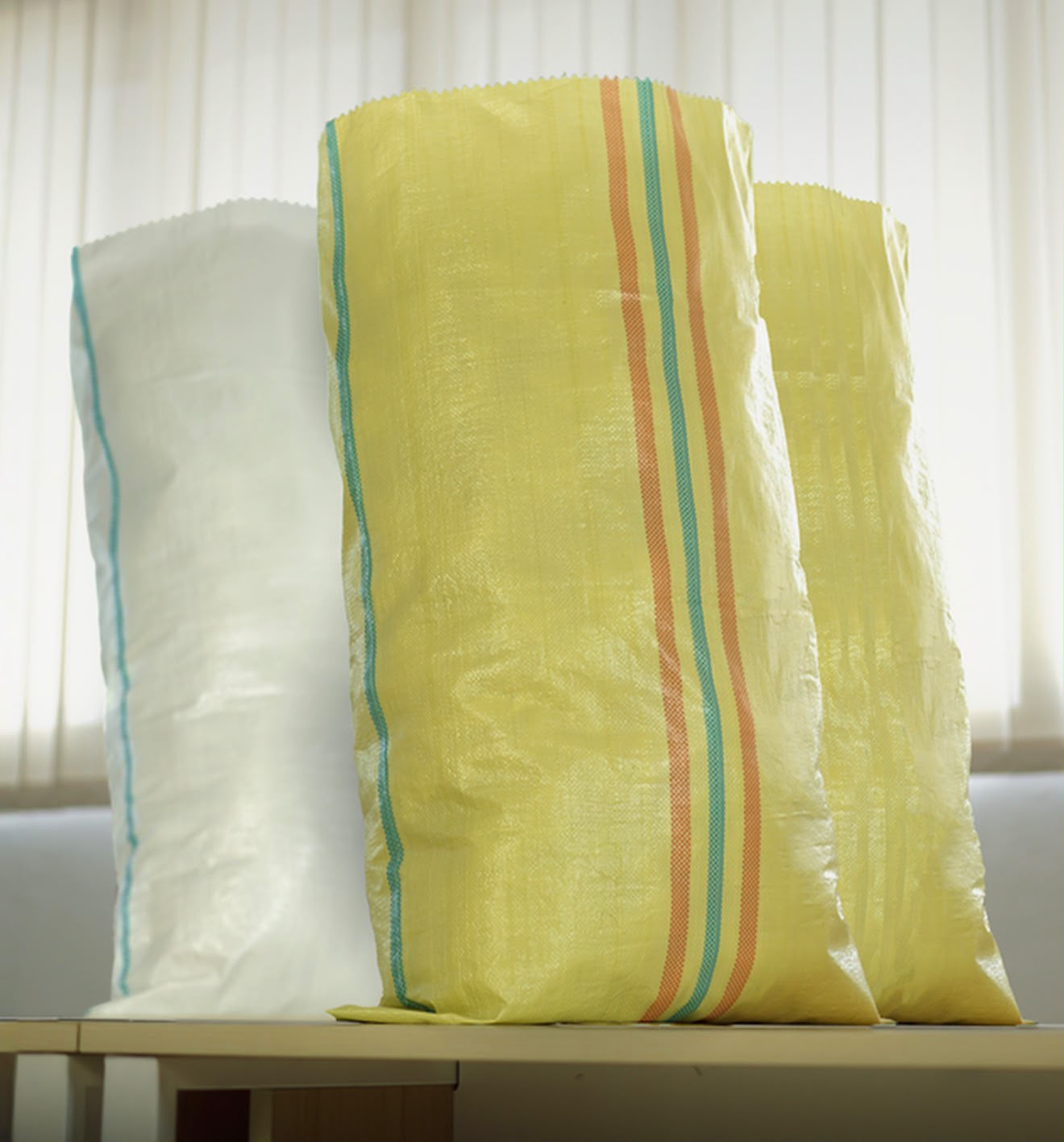
DEXPLAST's newly manufactured recycled-material sacks come in khaki, melon, and cream. The product photos below show the weave and colored stripes on sample sacks. State your color, size, and quantity requirements when requesting a quotation.
2. How is PP plastic waste used again?
Recycled PP use begins with collecting and sorting material, then processing it into raw material for further production. In the industrial example described by Starlinger, recycled PP is processed into woven tapes and new packaging. Material quality and contaminant filtration help maintain production quality. Read the reference ↗
This example shows a route for reusing PP material, not evidence that all plastic waste suits every type of sack. Material origin, mixtures, cleanliness, and processing must be understood. For DEXPLAST products, composition and detailed specifications are confirmed for the options offered.
3. Environmental benefits: preserving the value of plastic material
When recycled material replaces some virgin material in a product that performs as required, existing material gains another useful life. UNEP places material recovery, recycling, and reuse within a circular economy approach that considers the product's entire life cycle. Read the reference ↗
For businesses, choosing sacks made with recycled material can be a practical step toward using collected plastic material. Benefits must be considered alongside packaging durability, processing, and handling after use.
| Potential benefit | What to consider |
|---|---|
| PP material gains new utility | Material must be sorted and processed into material suitable for the next product. |
| Some virgin material use can be replaced | The amount replaced depends on the actual material composition used. |
| The material-use cycle can continue | Collection and management after use are still necessary. |
| Procurement supports the company's circular practices | Document materials and use; environmental statements must match the evidence. |
4. Reduce packaging costs while meeting quality requirements
Newly manufactured recycled-material sacks offer a more affordable option to consider in procurement. However, a beneficial decision should compare total usage costs. Quotations must be matched to the same contents, dimensions, closure method, and handling requirements.
Record purchasing, delivery, closure, replacement of damaged sacks, and repacking costs. Compare these records with the packaging currently used. Savings are calculated from the difference in total costs for comparable needs, rather than unit price alone.
Before placing regular orders, evaluate samples with the actual contents and workflow. Check the weave, stitching, size, ease of filling, and closure. For a specific target fill weight, agree on suitable specifications and evaluation methods. A bale's weight is the weight of a group of sacks, not the fill capacity of one sack.
- Compare sacks with comparable dimensions and construction.
- Define acceptance criteria before evaluating samples.
- Check condition after filling, moving, and storage.
- Keep the agreed specifications for future orders.
5. Match sacks to agriculture, construction, fertilizer, logistics, or fisheries
Specify both your business sector and the goods to be packed. The industry name helps start the conversation, but the contents' characteristics and working conditions determine the specifications. Sacks for dry goods may require different handling from those for damp, dusty, or sharp-edged materials.
For agriculture, describe the crops or materials handled and how they are stored. For construction and fertilizer, check the contents' characteristics, moisture-protection needs, and possible need for additional layers. For logistics, include item dimensions, loading and unloading methods, and identification requirements.
For fisheries, describe the specific application. Packaging equipment differs from direct contact with fish, food, or feed. Material suitability and cleanliness must be confirmed before ordering.
6. Positive impact also depends on what happens after use
Recycling is part of plastics management, alongside reducing unnecessary use and appropriate reuse. UNEP's Turning off the Tap report discusses these changes as part of efforts to build a circular economy for plastics. Read the reference ↗
At your business, start by identifying the leftover packaging generated. Separate it by material and the condition of its contents, then ask a handler that accepts PP about acceptance requirements. Sacks containing recycled material still need proper handling after use.
- Collect leftover sacks so they do not scatter around work areas or drains.
- Separate packaging still suitable for reuse from packaging that needs to be sent for processing.
- Check special handling requirements for sacks contaminated by their contents.
- Confirm accepted material types before handing packaging to a handler.
7. Build a green corporate image through measurable action
Environmental communication is more meaningful when it follows operational action. Keep supplier material information, procurement quantity records, usage evaluations, and records of handing over leftover packaging where available. This data helps companies explain their use of recycled material to customers or partners.
Use statements consistent with product documentation, such as using newly manufactured sacks made with recycled PP. Recycled content percentages, quantities of waste utilized, or emissions reductions may only be stated when supported by data. Using recycled material does not automatically mean zero environmental impact or biodegradability.
8. Questions before switching to recycled-material sacks
Are newly manufactured recycled-material sacks the same as used sacks? No. Newly manufactured recycled-material refers to sacks produced using recycled material, while used sacks are reused in their existing packaging form.
Are all recycled-material sacks suitable for the same load? Material names alone cannot establish this. Construction, size, contents' characteristics, stitching, and usage conditions must be matched.
Are they more economical for every business? Potential savings are assessed from the quotation and total usage costs for your needs. Actual performance and procurement quantity can affect the comparison.
How do I start procurement with DEXPLAST? Send the contents type, size or sample photo, target fill weight, quantity, and receiving address through our official WhatsApp. The DEXPLAST team will help match your needs with newly manufactured recycled-material sack options and quotations.
Your requirements checklist.
- Business sector, contents type, and conditions of use
- Size or sample photo of the required sack
- Target fill weight and stitching, weave, and layer requirements
- Quantity, required schedule, and delivery address
- Material composition information and application requirements to confirm
Send the information you already have. Other details can be added during consultation.
Request a WhatsApp QuoteReferences
Prepared by DEXPLAST as procurement guidance. Specifications, application suitability, availability, and delivery must be confirmed in the quotation.