Tarpaulins for Project Logistics and Mining Areas: A Procurement Checklist
Project logistics and industrial operations may also require tarpaulins. For requests from mining sites, discussions should start with the specific application: what is being covered, where it will be installed, and which technical requirements must be met.
1. Distinguish the project location from the product's function
Saying “for mining” is not enough to select a material. Covering goods in a warehouse differs from covering equipment outdoors. Specify the items, dimensions, environmental conditions, and installation method. Purchasing teams should also communicate the end user's requirements.
This discussion focuses on covering goods and general logistics needs. Waste containment, chemical applications, lifting, or safety systems require separate specifications and technical approval. Do not assume catalog products are suitable for these applications.
2. Calculate cover dimensions from the shape of the goods
Along with length and width, record the height of the object or stack to be covered. Allow extra material for the sides, joins, and tie-down points according to the installation plan. A simple dimensioned drawing can help the supplier understand the required finished shape.
Tarpaulin sheets may suit a particular finished size. Tarpaulin rolls may suit material that will be cut or made into several covers. Confirm who will handle cutting, joining, and finishing so the quotation scope is clear.
3. Request technical data for each type
Provide the required material, thickness or weight per unit area, dimensions, color, and finishing. If the work requires UV resistance, strength data, or specific certification, attach these requirements to the initial inquiry. Ask what evidence is available for the variant offered.
Type codes, colors, and photographs only help identify products. Written specifications, samples where needed, and assessment by the technical lead form the basis for product acceptance. Do not infer compliance with project requirements solely from the product category.
| Section | Information to attach |
|---|---|
| Application | Items to be covered, installation location, and conditions of use |
| Dimensions | Item dimensions and cover drawing if needed |
| Materials | Material type, thickness/weight per unit area, and special requirements |
| Finishing | Edges, eyelets, joins, and finished dimensions |
| Documents | Project specifications and required test data |
| Logistics | Quantity, packaging, receiving address, and schedule |
4. Complete the goods-receiving requirements
For project sites, provide the full receiving address and relevant access requirements. Separate the required date from the estimated delivery schedule; both must be agreed after stock, finishing, and route are confirmed. For multiple sites, specify quantities for each destination.
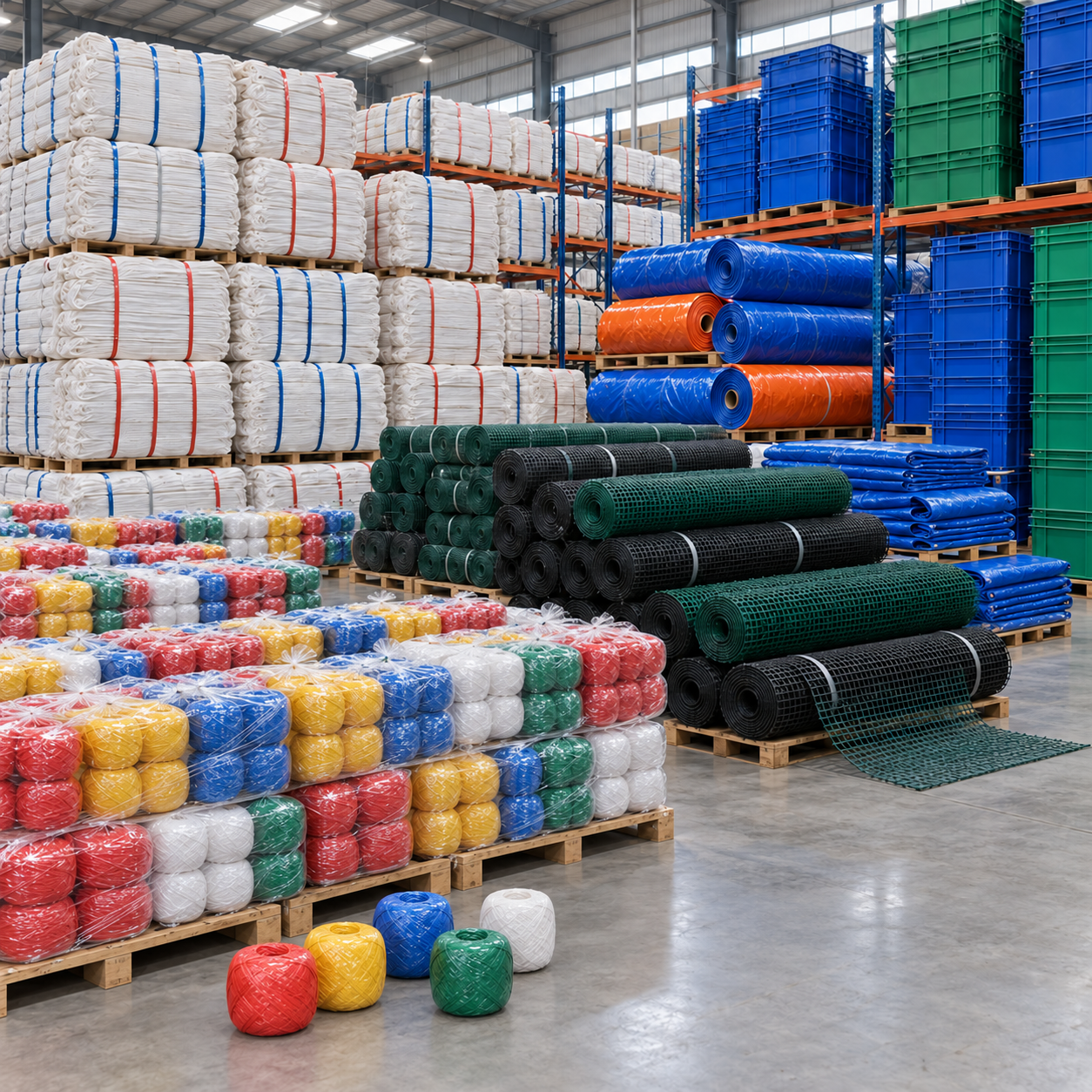
DEXPLAST's B2B catalog includes tarpaulins, tarpaulin rolls, container boxes, and PP sheets. Send your project logistics requirements via WhatsApp to assess relevant products. Availability, the ability to meet special specifications, and delivery are determined through quotation confirmation.
Your requirements checklist.
- Application and installation conditions
- Drawing or dimensions of the goods to be covered
- Material and project technical requirements
- Finishing, documents, and quantity
- Receiving address and required date
Send the information you already have. Other details can be added during consultation.
Request a WhatsApp QuotePrepared by DEXPLAST as procurement guidance. Specifications, application suitability, availability, and delivery must be confirmed in the quotation.