Choosing Plastic Mesh Netting for Fisheries and Aquaculture Ponds
When sourcing plastic netting for a fishery business, roll dimensions are not the only details to establish. Explain the net's function, the size of the aquatic organisms, and the installation method from the outset so the products considered suit the fieldwork.
1. Explain whether the netting is a barrier or an enclosure
Netting used as an area barrier has different requirements from netting formed into a rearing enclosure. BBPBL Lampung's technical guidelines for lobster nursery rearing discuss netting or hapa as enclosure materials, with mesh sizes matched to juvenile size. This example illustrates why netting should be matched to its application rather than chosen by name alone. Read the reference ↗
For procurement for your pond or aquaculture site, specify the species, rearing stage, net function, and installation conditions. Dimensions used in a particular farming example are not automatically recommendations for all fish or shrimp species.
2. Ask explicitly about mesh size
Request the mesh size and its unit of measurement. If a suitable net has been used before, send a sample or a close-up photo with a ruler. When netting is used to retain aquatic organisms, mesh suitability should be assessed with the farm manager who understands their size and behavior.
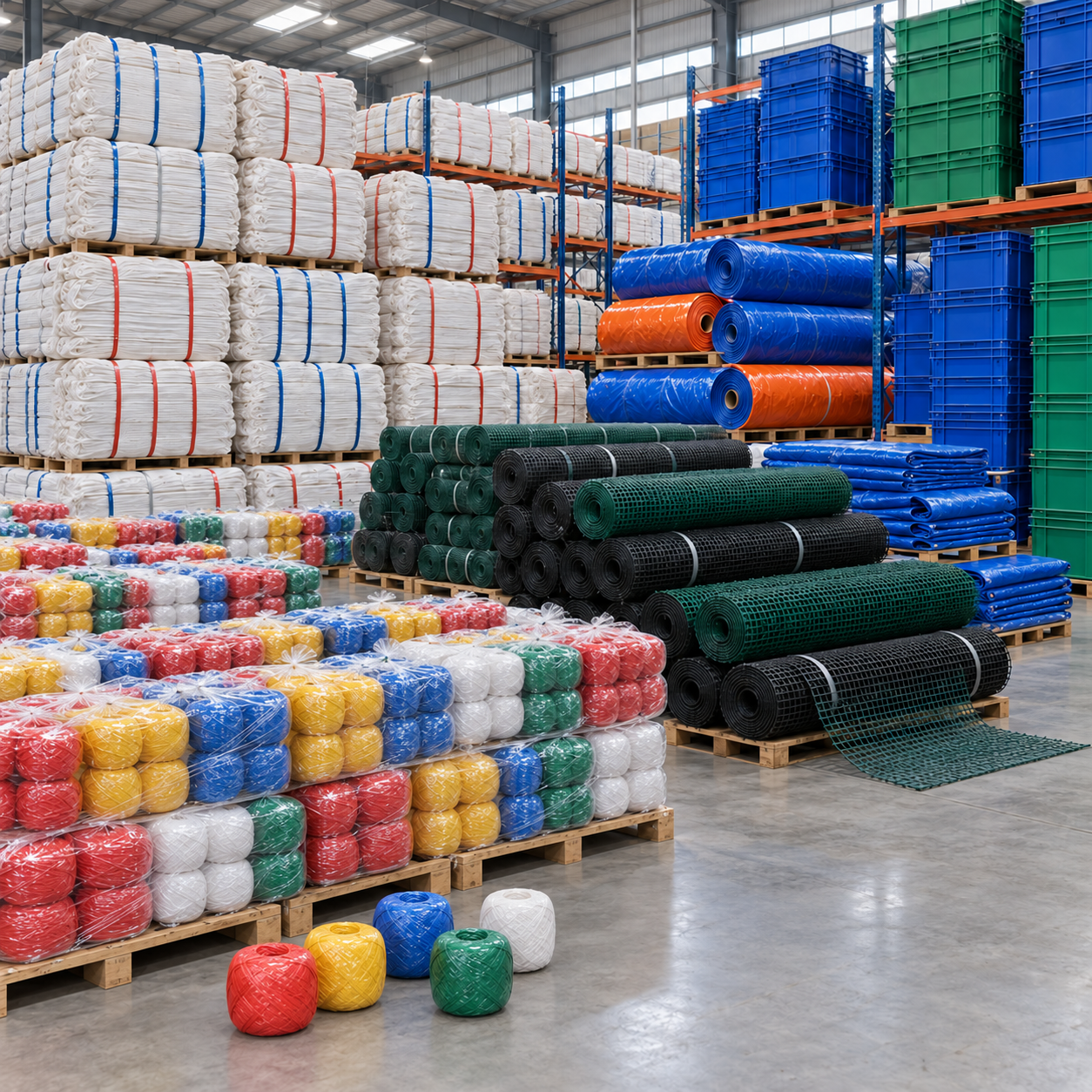
Besides mesh size, ask about the material, net construction, and edge reinforcement requirements. Black color or a dense appearance in photographs is not enough to establish product details. DEXPLAST lists netting options in its catalog; technical details not shown must be confirmed during quotation.
3. Calculate dimensions from the finished shape
For a straight barrier, measure the route length and required height. For a box or bag shape, record length, width, height, and any base requirements. Add material for joins and reinforcement according to the fabrication plan. The area purchased may differ from the visible net area after installation.
| Section | What to prepare |
|---|---|
| Function | Area barrier or enclosure material, including species where relevant |
| Mesh | Size, unit, and sample of a previously used product |
| Dimensions | Material width and length or drawing of the finished shape |
| Installation | Edges, joins, tie points, and supports |
| Procurement | Number of rolls, required timing, and delivery destination |
4. Assess samples and installation conditions
If the application has not been tried before, discuss sample inspection before buying in bulk. Check mesh uniformity, joins, and how the material is installed. During use, follow local aquaculture procedures for net inspection and maintenance.
Fishery businesses around Teluk Naga and elsewhere can begin consultations by sending site photos and required dimensions. Container boxes may also be considered for sorting, after confirming capacity, cleaning methods, and suitability for contact with fishery products.
Your requirements checklist.
- Netting function and finished shape
- Species and size when the net is used for containment
- Mesh size and material
- Width, length, joins, and reinforcement
- Number of rolls and destination address
Send the information you already have. Other details can be added during consultation.
Request a WhatsApp QuoteReferences
Prepared by DEXPLAST as procurement guidance. Specifications, application suitability, availability, and delivery must be confirmed in the quotation.